In the U.S. construction industry, a winning bid is not the same as a profitable project. While securing work is essential, the real measure of success is delivering that work on time and on budget. Yet, an alarming nine out of ten projects experience cost overruns, transforming projected profits into significant losses. The root cause often lies in the pre-construction phase, where seemingly small estimating errors compound into catastrophic financial failures.
An estimate is more than a preliminary budget; it is the financial blueprint for your entire project. Get it wrong, and no amount of on-site heroics can prevent the damage. Below, we uncover the five most common and costly estimating errors and provide actionable strategies to protect your bottom line before you ever break ground.
1. Underestimating Labor Costs and Productivity
Perhaps the most difficult expense to estimate is labor. Simply multiplying hours by a standard wage rate is a recipe for disaster. This common error ignores the complex realities of labor costs, which include payroll taxes, benefits, insurance, and, most critically, productivity rates that vary by task complexity and crew experience.
The Impact: With more than a third of contractors admitting to “best-guessing” labor costs, the financial exposure is immense. The ongoing skilled labor shortage further complicates this, as competition for talent drives wages higher and can force the use of less experienced teams, impacting both quality and efficiency. An underbid labor line item is a direct drain on your profit margin from day one.
The Solution:
To integrate the entire building lifecycle into a seamless platform to redefine how the world builds.
Barbra Streisand
2. Inaccurate Material Takeoffs and Pricing
Mistakes in material takeoffs have a painful ripple effect. Under-ordering leads to work stoppages and costly expedited shipping fees, while over-ordering results in wasted materials and increased storage and disposal costs. This error is often compounded by using outdated material pricing, a critical mistake in a market where costs can be volatile.
The Impact: Rework and material waste are silent profit killers, with studies showing they can account for up to 15% of a project’s total cost. In the U.S. alone, losses from material waste represent approximately 14% of all construction spending.
The Solution:
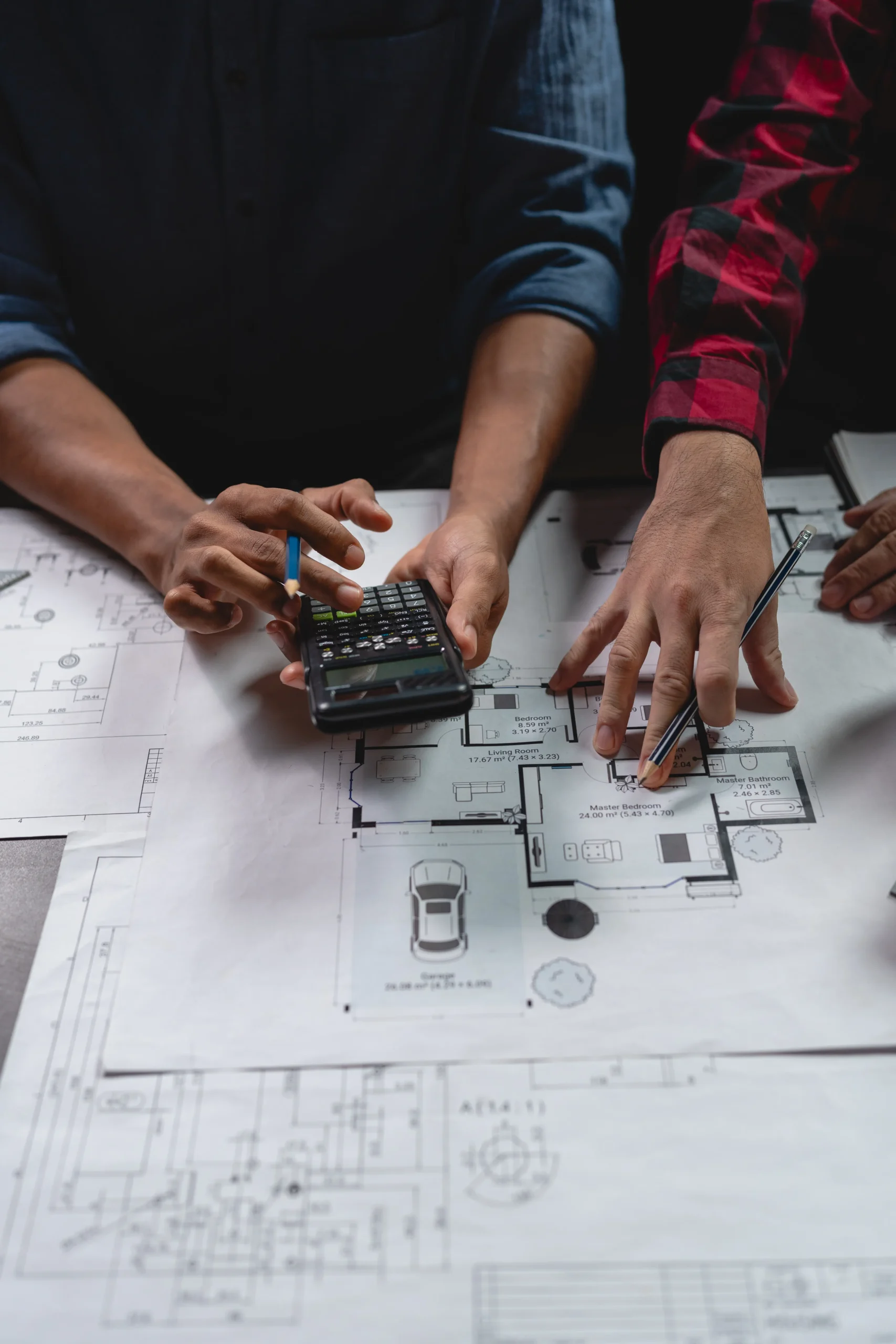
- Embrace Digital Takeoff Tools: Reduce human error by using modern software like Bluebeam, Planswift, or On-Screen Takeoff. These tools allow for meticulous, digitized analysis of blueprints, ensuring every component is quantified with precision.
- Get Granular: Break the project down into smaller, manageable sections (e.g., by floor, unit type, or phase). This systematic approach makes it easier to ensure accuracy and identify discrepancies in the plans.
- Verify Pricing: Never rely on old numbers. Maintain a current cost database and get real-time quotes from suppliers for all major materials before finalizing your bid.
3. Overlooking Indirect Costs and General Conditions
It’s easy to focus on the “hard” costs of labor and materials, but indirect costs—also known as general conditions or overhead—can make or break a budget. These are the essential expenses not tied to a specific task, including permits, insurance, project management salaries, temporary facilities, equipment rentals, and utilities.
The Impact: When overlooked, these “hidden” costs steadily erode your profit margin throughout the project’s lifecycle. A project that appears profitable based on direct costs can quickly turn into a loss when the full scope of overhead is realized.
The Solution:
- Develop a Comprehensive Checklist: Create and maintain a detailed checklist of every potential indirect cost, from temporary fencing to project management software licenses.
- Analyze Past Projects: Review your completed projects to determine a reliable percentage for overhead and general conditions based on your company’s actual operational costs.
- Itemize, Don’t Generalize: Instead of using a single, generic overhead percentage, include specific line items for major indirect costs in your estimate. This provides greater accuracy and transparency for both you and the client.
4. Failing to Properly Account for Risk and Contingency
Every construction project carries inherent risk, from unforeseen site conditions and weather delays to supply chain disruptions and owner-directed changes. An overly optimistic estimate that lacks an adequate contingency fund is not a plan; it’s a gamble.
The Impact: Without a contingency, a single unforeseen event can derail the entire project budget. This forces difficult choices between absorbing a major loss, cutting corners on quality, or entering into costly disputes with the client. On large-scale projects, this failure can contribute to budget overruns of up to 80%.
The Solution:
- Conduct a Pre-Construction Risk Assessment: Proactively identify potential risks during the pre-construction phase. This includes reviewing geotechnical reports, assessing supply chain vulnerabilities for long-lead items, and clarifying any design ambiguities.
- Budget a Realistic Contingency: The contingency fund should not be an arbitrary number. It should be a calculated percentage based on the project’s specific complexity and the risks identified. Many lenders recommend a contingency of at least 20% for this reason.
- Define Risk in the Contract: Ensure your contract contains clear language that defines how unforeseen conditions, delays, and changes will be managed and compensated.
5. Bidding on an Incomplete or Ambiguous Scope of Work
One of the fastest ways to lose money is to submit a bid based on incomplete or poorly coordinated design documents. When the scope is not clearly defined, it creates ambiguity that inevitably leads to conflict. “Scope creep”—the expansion of project requirements without a formal change order—is a direct result of this initial failure.
The Impact: Ambiguity is the primary driver of rework and disputes. Rework can consume up to 20% of a project’s timeline and is a leading cause of financial loss. Furthermore, poorly drafted contract documents and unsubstantiated claims are now a top cause of construction disputes, which have an average value of over $42 million in North America.
The Solution:
- Insist on Clarity: Make it a policy to bid only on complete and coordinated construction documents. If there are gaps, use the RFI (Request for Information) process to get written clarification before submitting your numbers.
- Document Everything: Create a highly detailed proposal that explicitly lists all inclusions and, just as importantly, all exclusions. This eliminates assumptions and ensures all parties have the same understanding of the scope of work.
- Master Change Order Management: Implement a strict, non-negotiable process for managing change orders. No additional work should ever begin without a written, approved change order that clearly defines the impact on both the project’s cost and schedule.
Conclusion: Build Your Profit on a Foundation of Accuracy
In construction, profitability is determined long before crews arrive on site. It is forged in the details of the estimate. By avoiding these five common errors, you can move from a reactive position of absorbing unexpected costs to a proactive position of control.
An accurate, well-documented estimate is your single most powerful tool for mitigating risk, building client trust, and ensuring the financial success of every project you undertake.